
As the popularity of 3D printing continues to rise, so does the concern regarding 3D printing waste disposal. The technology offers remarkable opportunities for innovation, but it also presents challenges related to sustainability. Understanding how to effectively manage waste generated from 3D printing processes is crucial for both manufacturers and consumers.
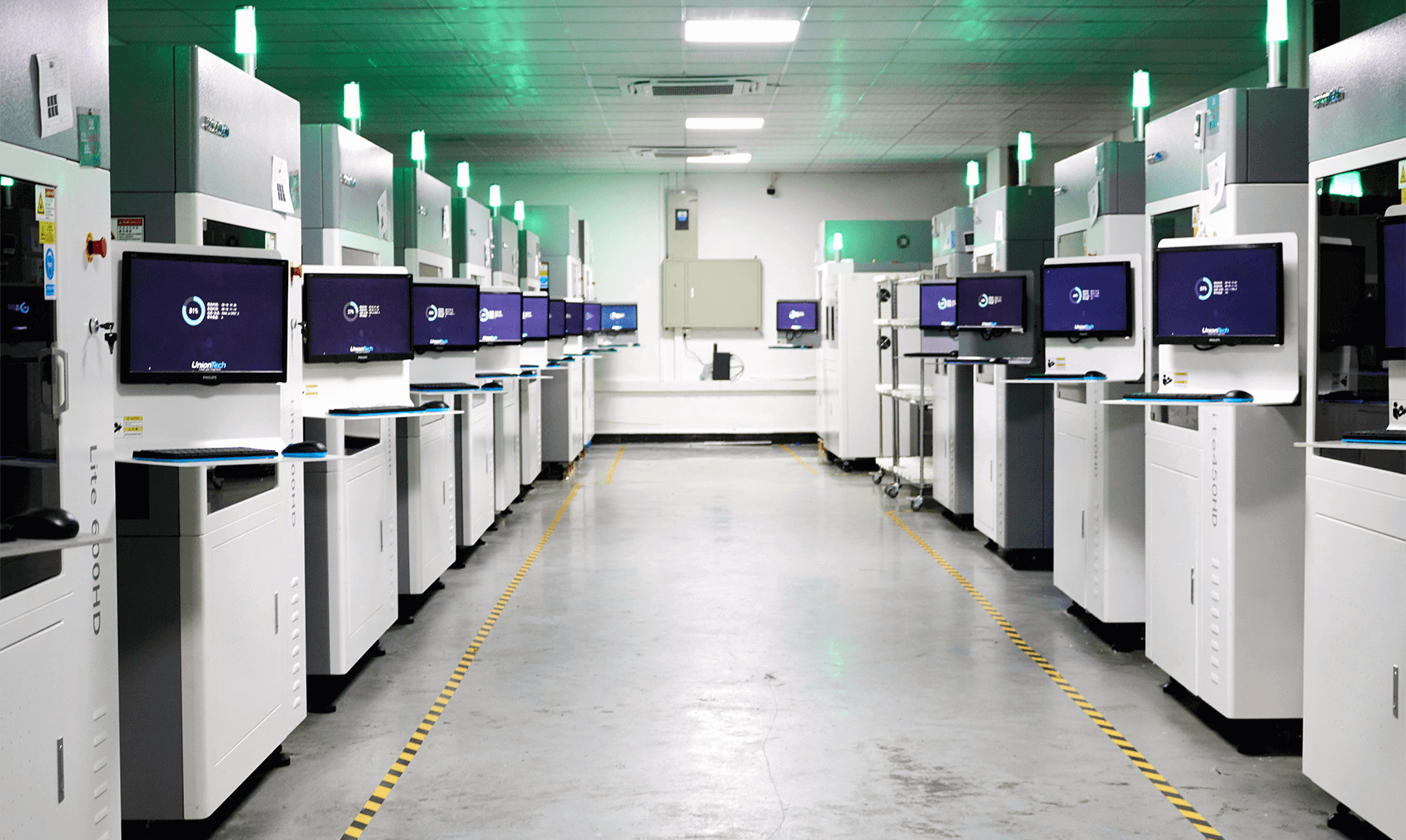
Understanding 3D Printing Waste Disposal
3D printing waste can be categorized into several types, including failed prints, support structures, and excess filament. Each of these waste types poses unique challenges for disposal. For instance, thermoplastics, commonly used in 3D printing, can take hundreds of years to decompose in landfills. Therefore, it is essential to explore sustainable practices that can mitigate the environmental impact of these materials.
Strategies for Reducing 3D Printing Waste
To effectively address 3D printing waste disposal, several strategies can be implemented:
- Optimize Print Settings: Adjusting parameters such as layer height and infill density can significantly reduce material usage.
- Use Recyclable Materials: Opt for filaments that are recyclable, such as PLA, which can be reprocessed into new filament.
- Implement Design for Disassembly: Create designs that allow for easy disassembly, enabling the reuse of parts.
Reusing and Recycling 3D Printing Waste
Reusing materials is a critical component of effective 3D printing waste disposal. Many companies are now exploring ways to recycle failed prints and support structures. For example, some organizations have developed machines that can grind down failed prints into pellets, which can then be re-extruded into new filament. This not only reduces waste but also lowers the cost of materials.
"By embracing recycling technologies, we can turn waste into valuable resources, creating a circular economy in the 3D printing industry." - Industry Expert
Innovative Products for Waste Management
Several innovative products are available to assist in managing 3D printing waste disposal. For instance, the Filament Recycler allows users to convert failed prints back into usable filament. This product exemplifies how technology can facilitate waste reduction.

Educational Resources and Community Initiatives
Education plays a vital role in promoting sustainable practices in 3D printing. Many online platforms offer courses and resources focused on waste management. Additionally, community initiatives, such as local recycling programs, can help raise awareness about 3D printing waste disposal and encourage responsible practices.
Conclusion
In conclusion, the challenge of 3D printing waste disposal can be addressed through innovative solutions that prioritize reduction and reuse. By optimizing print settings, utilizing recyclable materials, and embracing recycling technologies, we can significantly lessen the environmental impact of 3D printing. As the industry evolves, it is imperative that both manufacturers and consumers adopt sustainable practices to ensure a greener future.