In today's educational landscape, integrating technology into the classroom is essential for fostering creativity and innovation. One of the most impactful tools available is the affordable 3D printer for education. These printers not only make learning interactive but also help students grasp complex concepts in science, technology, engineering, and mathematics (STEM). This article explores the best options available, ensuring that educators can make informed decisions.
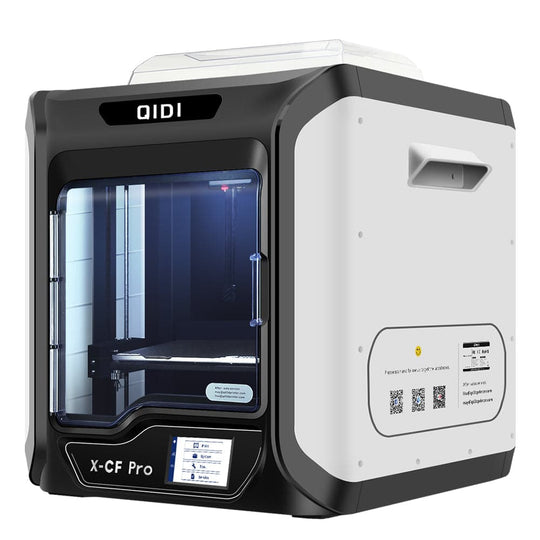
Why Choose an Affordable 3D Printer for Education?
When considering the implementation of a 3D printer in the classroom, affordability is a crucial factor. Many schools operate on tight budgets, making it imperative to find a printer that balances cost with functionality. An affordable 3d printer for education can:
- Enhance student engagement through hands-on projects.
- Facilitate the understanding of complex geometrical and scientific concepts.
- Encourage collaboration among students as they work on group projects.
Moreover, these printers can be used across various subjects, making them versatile tools for educators.
Top Affordable 3D Printers for Classroom Use
Here are some of the best options available that cater specifically to educational environments:
- Creality Ender 3 V2: Known for its reliability and ease of use, this printer offers excellent print quality at a budget-friendly price. It is perfect for beginners and experienced users alike.
- Monoprice Select Mini V2: This compact printer is ideal for classrooms with limited space. It comes fully assembled and is ready to use right out of the box.
- Anycubic i3 Mega: With a user-friendly touchscreen and a sturdy frame, this printer is a great choice for educators looking for durability and performance.
- FlashForge Finder: This printer is designed with safety in mind, featuring a fully enclosed build area. It is particularly suitable for younger students.
Key Features to Consider
When selecting an affordable 3D printer for education, several features should be taken into account:
- Print Volume: Ensure the printer has a sufficient build size for your projects.
- Ease of Use: Look for printers that are easy to set up and operate, especially for students.
- Material Compatibility: Consider printers that can handle various filament types, such as PLA and ABS.
- Support and Community: A strong user community can provide valuable resources and troubleshooting assistance.
Integrating 3D Printing into the Curriculum
To maximize the benefits of an affordable 3D printer for education, educators should consider how to integrate 3D printing into their curriculum effectively. This can include:
- Creating prototypes for science projects.
- Designing models for art and design classes.
- Building historical artifacts for social studies.
By incorporating 3D printing into various subjects, teachers can enhance student learning and engagement.
Conclusion
Investing in an affordable 3D printer for education can significantly enhance the learning experience in classrooms. By selecting the right printer and integrating it into the curriculum, educators can inspire creativity and innovation among students. As technology continues to evolve, the potential for 3D printing in education is limitless.