In recent years, the rise of e-commerce has significantly impacted urban logistics. As cities become increasingly congested, the need for efficient last-mile delivery solutions has never been more pressing. Enter the motorized cargo cycle, a game-changing innovation that is reshaping how goods are transported in urban environments.
Understanding the Motorized Cargo Cycle
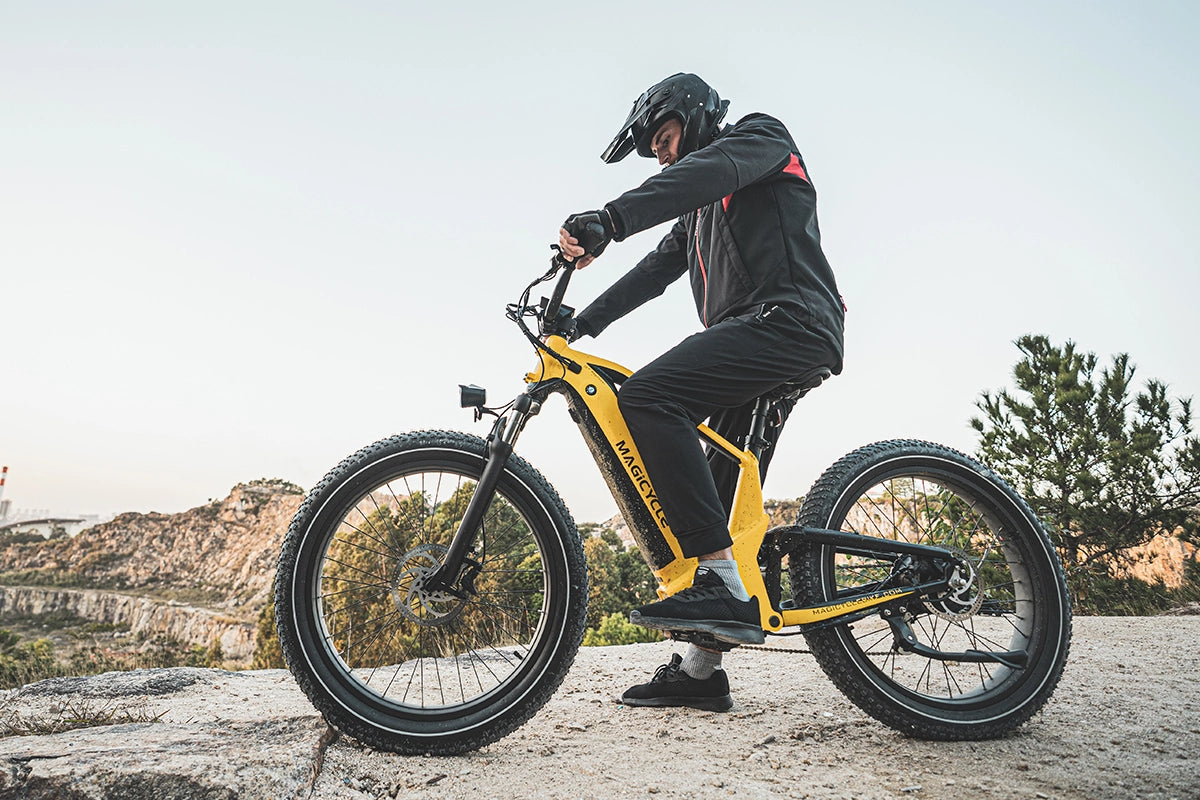
A motorized cargo cycle is essentially a bicycle equipped with an electric motor, designed specifically for transporting goods. These cycles come in various designs, including tricycles and two-wheeled models, allowing for versatility in cargo capacity. But why are they gaining popularity among businesses and consumers alike?
- Environmental Benefits: Motorized cargo cycles produce zero emissions, making them an eco-friendly alternative to traditional delivery vehicles.
- Cost-Effective: Operating a motorized cargo cycle is generally cheaper than maintaining a fleet of vans or trucks.
- Accessibility: These cycles can navigate narrow streets and crowded urban areas more easily than larger vehicles.
Advantages of Using Motorized Cargo Cycles in Urban Logistics
One of the most compelling aspects of the motorized cargo cycle is its ability to enhance last-mile delivery efficiency. By utilizing these cycles, businesses can achieve faster delivery times, which is crucial in today’s fast-paced market. But what specific advantages do they offer?
- Reduced Traffic Congestion: With fewer delivery trucks on the road, cities can experience less traffic, leading to improved overall mobility.
- Lower Operating Costs: Businesses can save on fuel and maintenance costs, allowing for a more sustainable business model.
- Improved Customer Satisfaction: Faster deliveries and the ability to reach hard-to-access locations can lead to happier customers.
Challenges and Considerations
While the motorized cargo cycle presents numerous benefits, it is not without its challenges. For instance, the initial investment in quality cycles can be significant. Additionally, businesses must consider the logistics of integrating these cycles into their existing delivery systems. How can companies overcome these hurdles?
By investing in training for delivery personnel and developing strategic routes, businesses can maximize the efficiency of their motorized cargo cycles. Furthermore, as technology advances, we can expect improvements in battery life and cargo capacity, making these cycles even more appealing.
The Future of Motorized Cargo Cycles
The future of urban logistics is undoubtedly intertwined with the motorized cargo cycle. As cities continue to evolve, the demand for sustainable and efficient delivery solutions will only grow. Will we see a shift from traditional delivery methods to more innovative approaches? The answer seems to be a resounding yes.
In conclusion, the motorized cargo cycle is not just a trend; it represents a significant shift in how we think about urban logistics and last-mile delivery. As businesses and consumers alike recognize the benefits of this innovative solution, we can expect to see its adoption continue to rise, paving the way for a more sustainable future.