
In the sterile corridors of Birmingham Women's and Children's NHS Foundation Trust, a young man named James Stokes moves with quiet purpose. His smart shoes whisper against the floor as he greets colleagues—some by name, others with the comfortable currency of a "good morning."
James displays his credentials not merely as institutional identification but as a testament of belonging. It hangs against a neatly presented outfit that betrays nothing of the difficult path that led him to this place.
What separates James from many of his colleagues is not visible on the surface. His demeanor discloses nothing of the fact that he was among the first participants of the NHS Universal Family Programme—an initiative designed specifically for young people who have spent time in care.
"It felt like the NHS was putting its arm around me," James says, his voice steady but tinged with emotion. His statement summarizes the core of a programme that strives to reinvent how the massive healthcare system approaches care leavers—those vulnerable young people aged 16-25 who have transitioned from the care system.
The figures paint a stark picture. Care leavers frequently encounter poorer mental health outcomes, money troubles, shelter insecurities, and diminished educational achievements compared to their age-mates. Beneath these clinical numbers are personal narratives of young people who have navigated a system that, despite genuine attempts, regularly misses the mark in delivering the supportive foundation that forms most young lives.
The NHS Universal Family Programme, launched in January 2023 following NHS England's promise to the Care Leaver Covenant, embodies a significant change in institutional thinking. At its core, it accepts that the whole state and civil society should function as a "collective parent" for those who have missed out on the security of a typical domestic environment.
Ten pathfinder integrated care boards across England have blazed the trail, developing systems that rethink how the NHS—one of Europe's largest employers—can create pathways to care leavers.
The Programme is thorough in its strategy, initiating with thorough assessments of existing policies, establishing governance structures, and obtaining executive backing. It recognizes that meaningful participation requires more than good intentions—it demands practical measures.
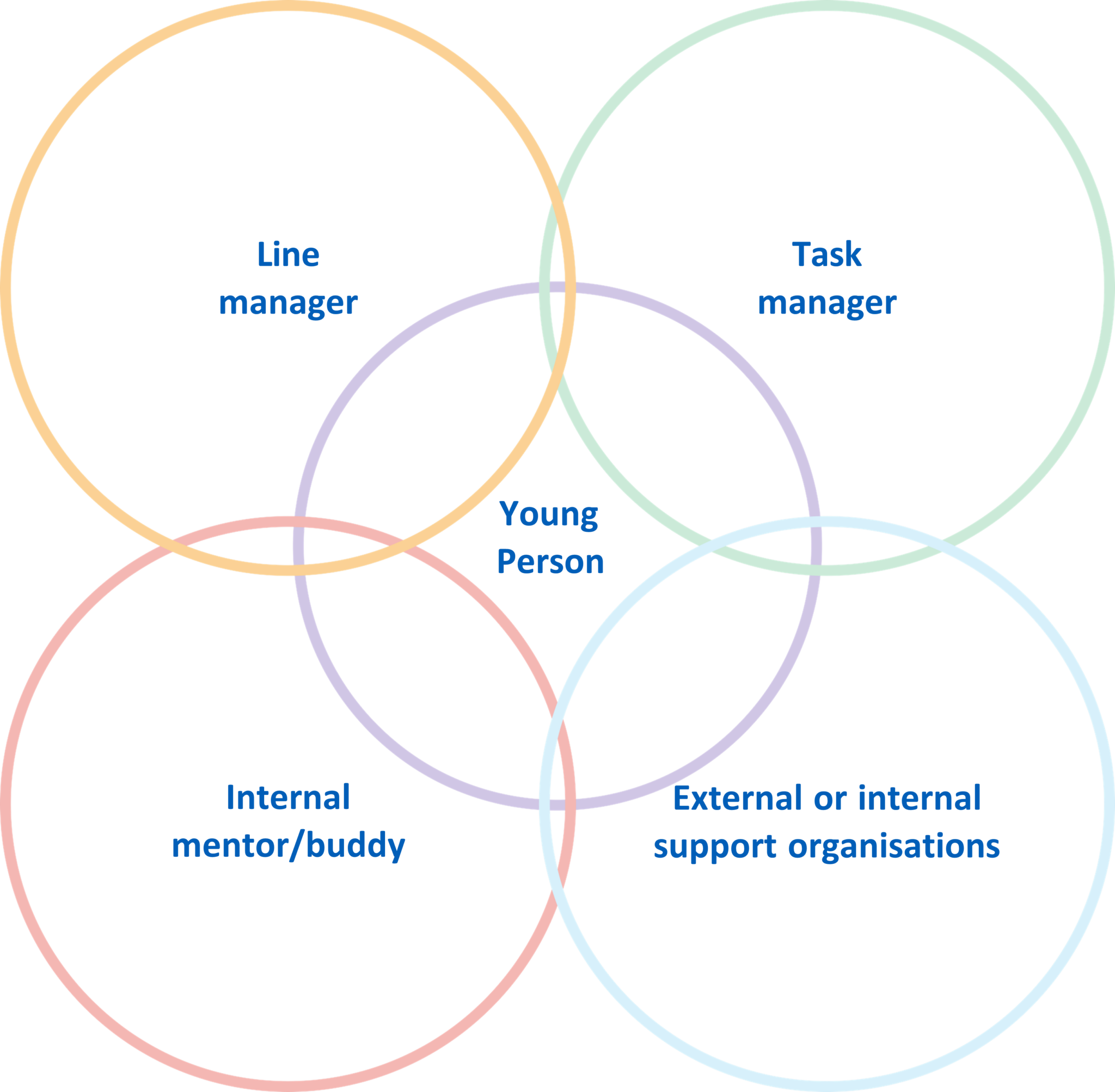
In NHS Birmingham and Solihull ICB, where James began his journey, they've established a regular internal communication network with representatives who can deliver support, advice, and guidance on personal welfare, HR matters, recruitment, and inclusivity efforts.
The standard NHS recruitment process—rigid and possibly overwhelming—has been carefully modified. Job advertisements now highlight personal qualities rather than long lists of credentials. Applications have been reimagined to consider the particular difficulties care leavers might encounter—from missing employment history to facing barriers to internet access.
Maybe most importantly, the Programme understands that entering the workforce can present unique challenges for care leavers who may be navigating autonomy without the support of parental assistance. Matters like commuting fees, personal documentation, and financial services—assumed basic by many—can become significant barriers.
The brilliance of the Programme lies in its attention to detail—from explaining payslip deductions to offering travel loans until that crucial first wage disbursement. Even apparently small matters like rest periods and office etiquette are thoughtfully covered.

For James, whose professional path has "transformed" his life, the Programme offered more than a job. It offered him a feeling of connection—that ineffable quality that emerges when someone feels valued not despite their history but because their unique life experiences enhances the organization.
"Working for the NHS isn't just about doctors and nurses," James comments, his eyes reflecting the subtle satisfaction of someone who has found his place. "It's about a collective of different jobs and roles, a family of people who really connect."
The NHS Universal Family Programme exemplifies more than an employment initiative. It functions as a powerful statement that organizations can adapt to welcome those who have navigated different paths. In doing so, they not only transform individual lives but improve their services through the distinct viewpoints that care leavers provide.
As James moves through the hospital, his participation silently testifies that with the right help, care leavers can flourish in environments once considered beyond reach. The embrace that the NHS has offered through this Programme symbolizes not charity but appreciation of untapped potential and the essential fact that each individual warrants a family that supports their growth.